
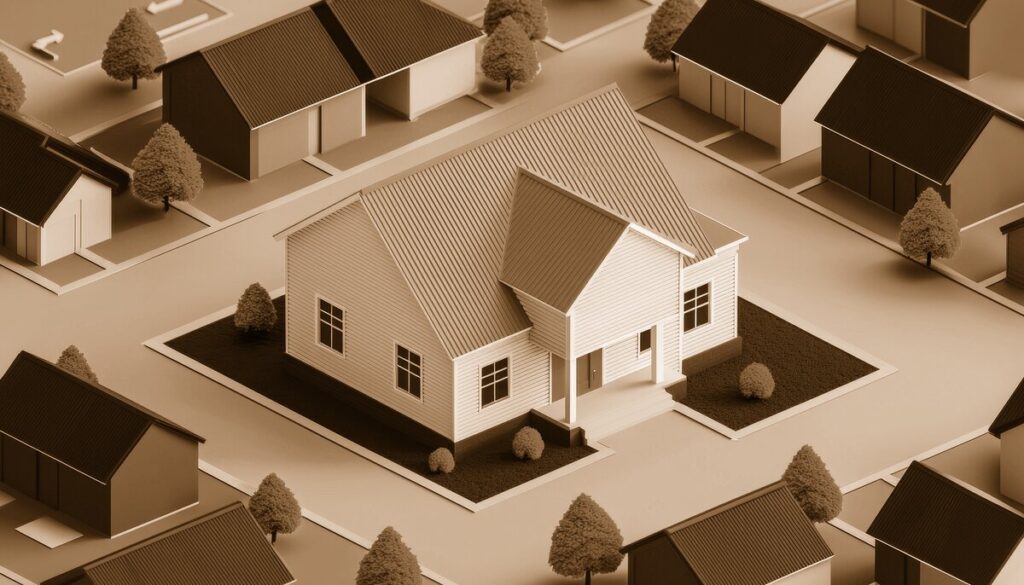
A Neighborhood With Deep Roots
Nestled in the heart of Sacramento, the Elmhurst neighborhood offers a unique window into the city’s storied past and evolving character. Recognized for its tree-lined streets and welcoming community ambiance, Elmhurst lovingly balances old-Sacramento charm with a vibrant present. For locals and newcomers alike, understanding Elmhurst’s heritage is key to appreciating what makes this district such a cherished enclave.
Origins and the Naming of Elmhurst
Elmhurst’s story begins in the early 20th century, at a time when Sacramento was growing rapidly beyond its downtown core. The area now known as Elmhurst was initially farmland, dotted with orchards and fields. In 1908, a streetcar line along Folsom Boulevard fueled residential development, as people sought homes within reach of the city center but with the peace and space of suburbia.
The neighborhood’s distinctive name comes from the stately elm trees planted along its curving streets. “Elmhurst” combines “Elm,” referring to these elegant trees, and “hurst,” an old English word meaning a wooded hill or grove. This botanical inspiration is still visible today, especially on 39th and 42nd Streets, where mature elms form a sweeping green canopy.
Key Historical Milestones
Elmhurst’s development has mirrored historic shifts in Sacramento and California as a whole:
- Early 1900s Expansion: The Sacramento Electric, Gas & Railway Company expanded trolley service, making Elmhurst one of the city’s earliest streetcar suburbs.
- 1920s-1930s Boom: Craftsman bungalows and Tudor-style homes, many of which still stand today, sprang up along T Street, Y Street (now Broadway), and beyond. These decades defined much of the architectural landscape that gives Elmhurst its cozy, lived-in feel.
- Post-War Growth: With the rise of the automobile era after World War II, homes and businesses prospered along Folsom Boulevard, further linking Elmhurst to Sacramento’s urban pulse.
- Medical Influence: The construction and later expansions of UC Davis Medical Center, just north of Elmhurst, brought new energy to the neighborhood. Many hospital employees and students have chosen Elmhurst for its walkable streets and community vibe.
- Preservation Movement: In the late 20th and early 21st centuries, residents fought to protect Elmhurst’s historic assets from commercial encroachment and roadway expansion, cementing its identity as a neighborhood that values heritage.
Notable Landmarks and Institutions
Elmhurst’s quiet streets hide a wealth of local landmarks with stories to tell:
- T Street Parkway: This grassy median along T Street is more than just a traffic divider—it’s a legacy from Elmhurst’s original designers who sought both beauty and function. Throughout the year, neighbors jog, walk dogs, and linger under the shade of mature elms.
- Coloma Community Center: Originally built as an elementary school in 1920, this handsome brick building at 4623 T Street has been reborn as a vibrant community facility. Today, it hosts art classes, summer camps, and neighborhood association meetings—a true community anchor.
- Elmhurst Park: Opened in 2011 on 42nd Street, this small urban park was a hard-won prize for residents seeking green space and a safe play area for children. With a shaded playground, picnic tables, and native landscaping, Elmhurst Park quickly became a neighborhood hub.
- Architectural Gems: The streets are dotted with lovingly preserved Craftsman homes, detailed Tudors, and period cottages. Many houses feature original details like clinker brickwork, built-in cabinetry, and deep front porches.
Streets That Tell Stories
Certain streets in Elmhurst capture the past in every step:
- 39th and 42nd Streets: The gentle curve of these roads and their lush tree canopies hint at the neighborhood’s planned origins.
- R Street and T Street: Once key streetcar routes, these now-residential lanes still radiate movement and history.
- Folsom Boulevard: This corridor has evolved from trolley line to a bustling modern artery, linking Elmhurst to Midtown and beyond.
Evolution and Resilient Spirit
Despite changes in Sacramento’s landscape, Elmhurst has skillfully maintained its character. The architecture endures, the street trees grow ever taller, and local businesses thrive—thanks in no small part to a close-knit network of neighbors who value history and community.
Over the decades, Elmhurst residents have worked hard to keep development in balance, preserving the neighborhood’s essential qualities. Strong neighborhood associations like the Elmhurst Neighborhood Association have played pivotal roles in advocating for walkability, traffic calming, and the protection of historic homes.
Elmhurst’s evolution continues today as new families and longtime residents mingle at block parties, community gardens, and festivals. The proximity to UC Davis Medical Center keeps the area dynamic, inviting a diverse mix of medical professionals, students, and retirees. Cafés and small shops, particularly on Folsom Boulevard near 48th Street, serve as local gathering spots.
Why Elmhurst Endures
So, what makes Elmhurst so beloved after more than a century? It’s the neighborhood’s warm blend of historic heart and contemporary spirit. Here, preservation isn’t just about saving old houses—it’s about nurturing the sense of place and belonging that draws people from all walks of life.
Whether it’s chatting with a neighbor under a hundred-year-old elm, enjoying a picnic at Elmhurst Park, or attending a community meeting at the Coloma Community Center, residents feel rooted in both history and possibility.
Conclusion
Elmhurst is far more than just another Sacramento neighborhood—it’s a living piece of city heritage, full of stories and memories, green shade and brickwork, resilience and welcome. As generations come and go, Elmhurst continues to stand graciously at the crossroads of past and future, ready to share its quiet magic with all who pass through its leafy streets.